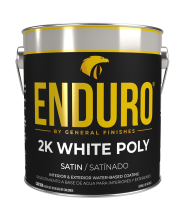
 Enduro Water-Based Tintable 2K White Poly
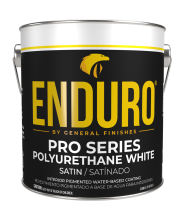 Enduro Water-Based Pro Series White Polyurethane
 Enduro Water-Based Conversion Varnish
 Enduro Water Based Stain Blocker Primer
 Hard Wax Oil & Hardener
 Gel Stains
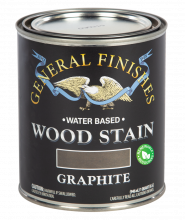 Water-Based Wood Stain
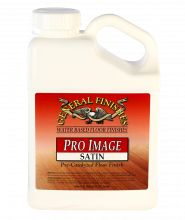 Pro Image Flooring Topcoat
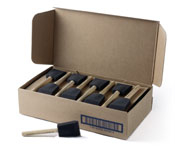 Jen Poly Brushes
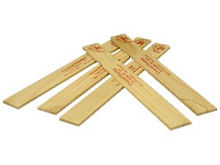 Stir Stix
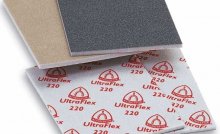 Ultraflex Softback Sanding Sponge
Should I use a topcoat or a wax over my paint or stain finish?
The GF gang gets this question all the time.
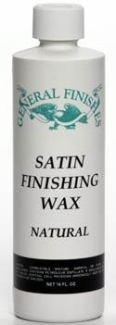
The answer depends on your objective. Are you interested in the look of a finish or the performance of a finish or both? How will your project be used? Is it in a high use area such as on a table top or kitchen cabinets or in a low use situation such as a mirror frame? A wax finish is not a "forever" finish. They are lovely but typically show wear (fingerprints) and require semi-annual to annual maintenance. A topcoat that contains a resin will provide greater durability and protection over time. Although General Finishes offers a tintable Satin Finishing Wax, it is offered as a maintenance product for those that have already committed to a wax finish.
Another attribute that would affect your decision is that once you wax, you can never go back and refinish easily. Even though there is online advice about removing wax with 3rd party products or mineral spirits, the risk of a failure in recoating over a wax finish is extremely high or difficult at best. Finally, think about your future business. If you wax a piece, and your customer comes back in 5 or 6 years for a new updated look, you will most likely have to strip the entire piece down to apply a new finish.
If your objective is the casual, vintage look of a wax finish, here are some ways to achieve a vintage or aged look using a few General Finishes products:
- For low sheen: Use High Performance Top Coat in Flat finish.
- For a layer of color: Use General Finishes Glaze Effects straight from the can.
- For less color: Add 5-10% Glaze Effects to High Performance Top Coat, or about 1 ounce of Glaze to a pint or 2 ounces to a quart of Top Coat.
- For reduced color (alternative): Add 5-10% Water Based Wood Stain to High Performance Top Coat, or about 1 ounce of stain to a pint or 2 ounces to a quart.
- For stronger, thinner color: Add General Finishes Dye Stain to High Performance Top Coat. Use about 1 to 3 ounces per quart of Top Coat.
The last attribute is application ease. A water-based topcoat can be brushed or sprayed on, immensely improving production time. It is fast, easy and low odor. And since it is water-based, cleanup is a breeze.