America's Leading Manufacturer of Innovative Water-Based Wood Finishes
There is no easy solution to this problem. General Finishes Milk Paint has strong adhesion properties but there are several reasons this finish could fail:
Vinyl or paper veneers can be often found on the end returns of lower price-point cabinets. We cannot guarantee that our paints will adhere well to a paper veneer - we have no idea what the actual material is or what adhesives were used to apply the veneer to the surface. The resins and additives in our paints may break down the adhesives used for the veneer.
And Milk Paint does NOT adhere to vinyl.
In our newest video Chris Adams and Tom Monohan of General Finishes demonstrate how to update your existing cabinets with GF Water Based Wood Stain and Dye Stain with a technique called toning. Toning does not require any messy stripping or sanding.
While Gel Stain can be applied over an existing finish, it was originally engineered for raw wood surfaces. We prefer applying the Gel Stain over a slip coat of mineral spirits instead of topcoat as shown in this video, "How to Apply Gel Stain to Raw Wood"
It is normal to see a bit of stain on the brush when applying the first coat of topcoat. Topcoats often pull a bit of color on the first pass, but good preparation will minimize this.
To prepare open grains woods such as raw Oak for a water-based stain, we recommend sanding with 180-grit followed by no more than 220-grit sandpaper.
It's a wrap! General Finishes next round of tutorial videos are on their way! We will be releasing one per week for the month of November so stay tuned.
A PRIMER is your best defense under light-colored paint.
There are several reasons:
1. The cabinets were not prep cleaned and sanded properly. Sanding and cleaning are an essential part of any refinishing process.
In most cases, you can use a 220 sanding pad to scuff the surface and clean with a 50|50 mix of water and denatured alcohol.
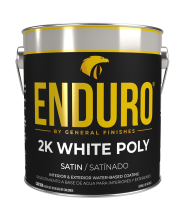 Enduro Water-Based Tintable 2K White Poly
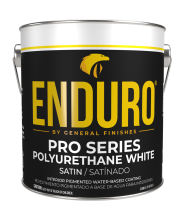 Enduro Water-Based Pro Series White Polyurethane
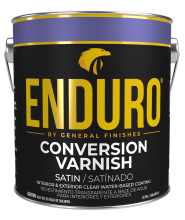 Enduro Water-Based Conversion Varnish
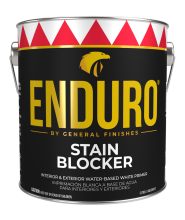 Enduro Water Based Stain Blocker Primer
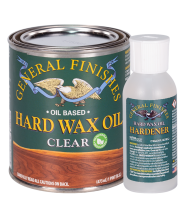 Hard Wax Oil & Hardener
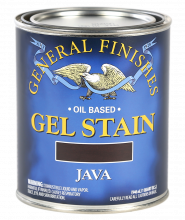 Gel Stains
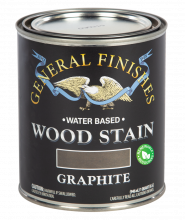 Water-Based Wood Stain
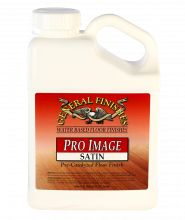 Pro Image Flooring Topcoat
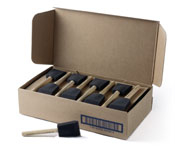 Jen Poly Brushes
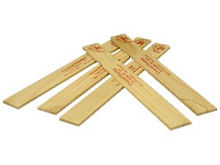 Stir Stix
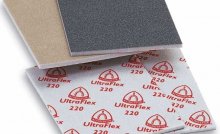 Ultraflex Softback Sanding Sponge
 SDS: FRENCH Gel Stain NEW PINE Oil-Base 2023-10